The Resource Nest
Dolly Parton is the kind of person you do not need to meet to feel like you know her. She was born dirt-poor in Tennessee, the fourth of 12 children. People told her she was too much - too blonde, too curvy, too country, too loud. And she never shrank. She turned too much into her signature.
It is not unusual to see clients come for therapy believing they are defined by their weaknesses. They might say, "I am anxious." "I overthink." "I keep making mistakes." "I don't think I'm good enough." While these struggles are real, they are not the whole story. One of the greatest privileges of being a psychologist is helping people discover something they often overlook—the remarkable strengths that already exist within them. Healing is not only about reducing symptoms; it is also about uncovering the qualities that enable people to grow, recover, and flourish
John Eldredge makes a point in his influential book "Wild At Heart" that every man carries three deep desires: a battle to fight, an adventure to live, and a beauty to rescue. While some aspects of Eldredge's work have sparked debate, his central message resonates with an important psychological truth: men thrive when their need for purpose, significance, and meaningful connection is understood and nurtured.
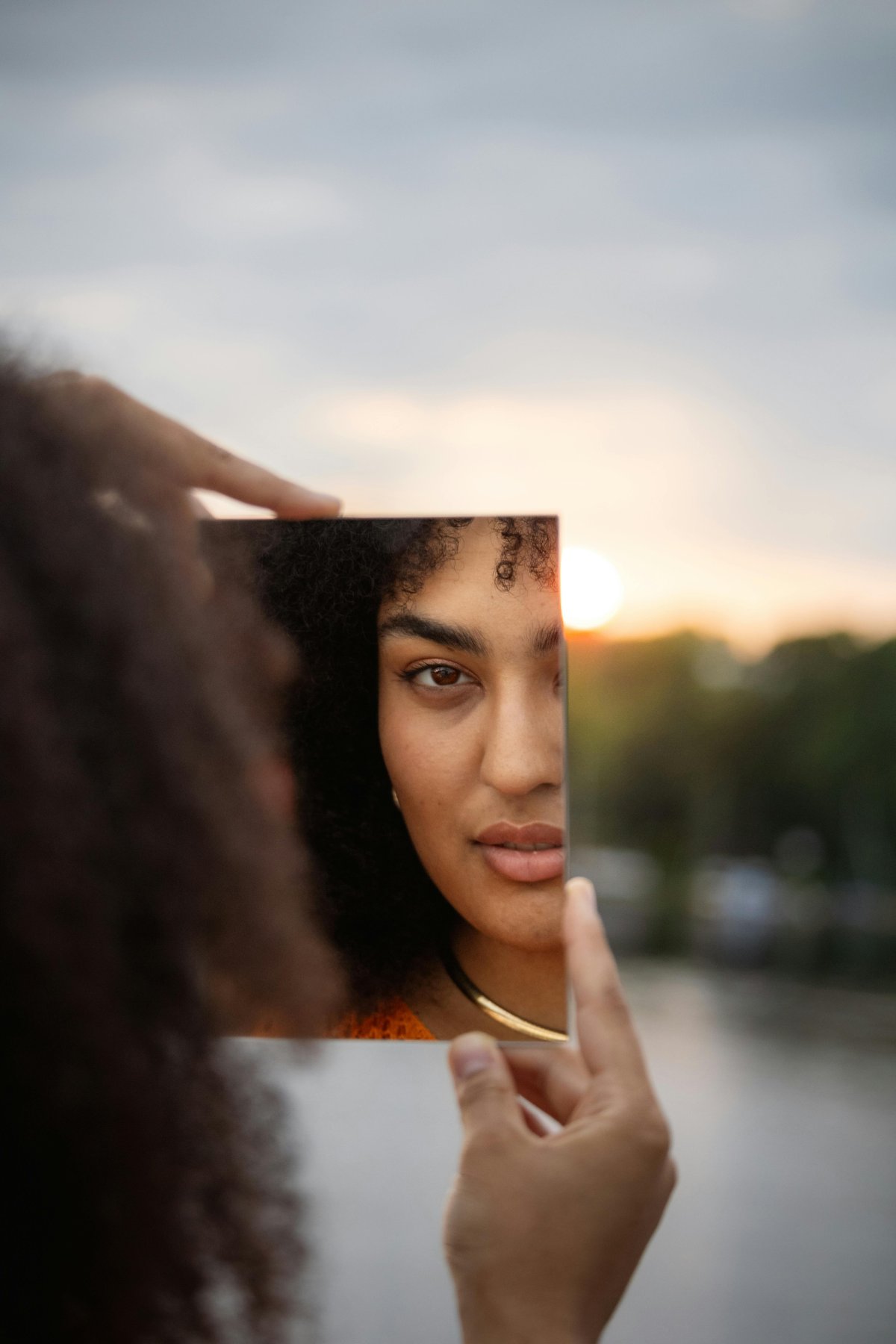
Self-respect is one of the most misunderstood aspects of mental and emotional health. Many people confuse it with pride, ego, stubbornness, or even selfishness. But from a psychotherapeutic perspective, self-respect is neither arrogance nor superiority. It is the healthy recognition of your worth as a human being. Without self-respect, people often tolerate emotional neglect, unhealthy relationships, chronic people-pleasing, self-abandonment, and environments that slowly damage their psychological well-being. With self-respect, however, individuals begin to make healthier choices, establish boundaries, and live more authentically.
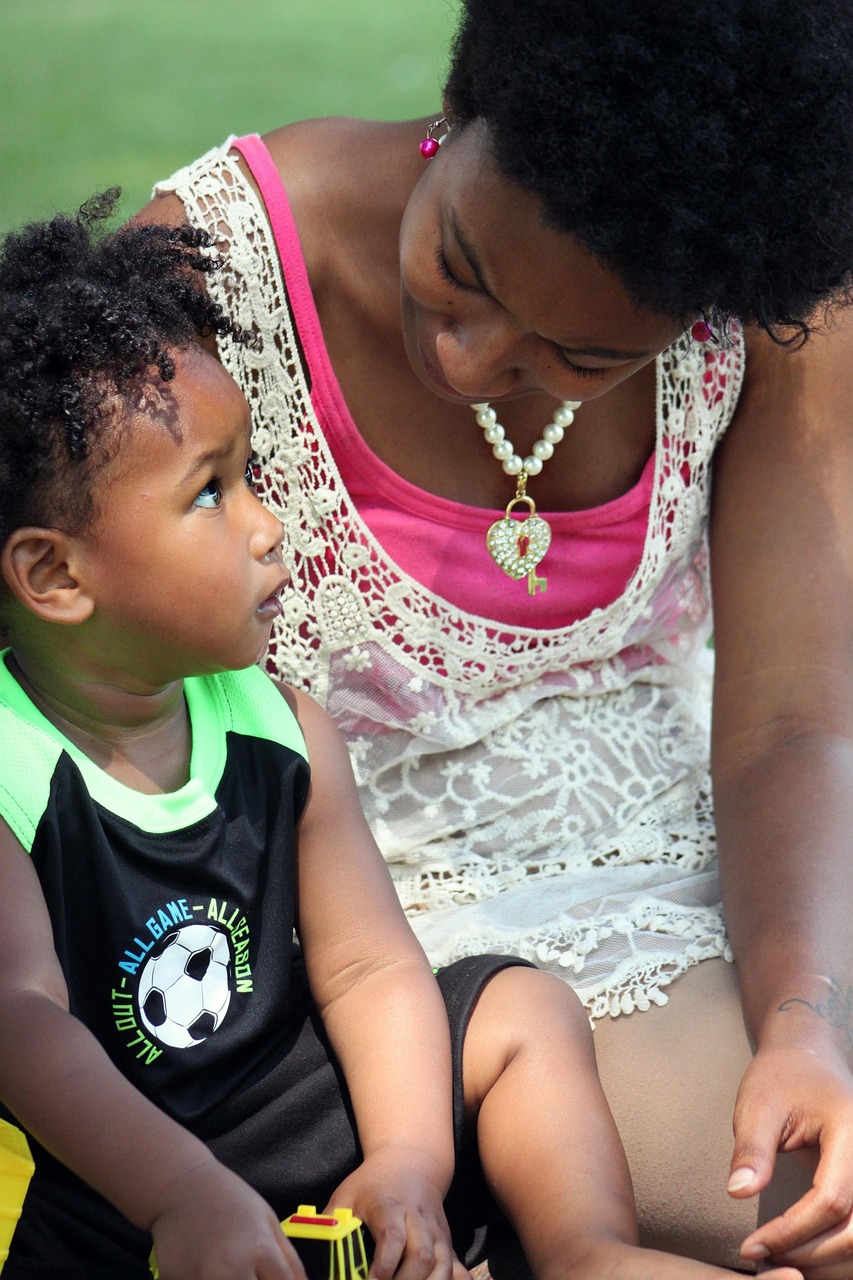
Motherhood in the 21st century is both beautiful and demanding. Today’s mothers are raising children in a world shaped by rapid technological advancement, economic uncertainty, social pressure, changing family structures, and increasing mental health challenges. Many mothers are expected to be emotionally available, financially productive, physically present, digitally connected, and psychologically strong — all at the same time.
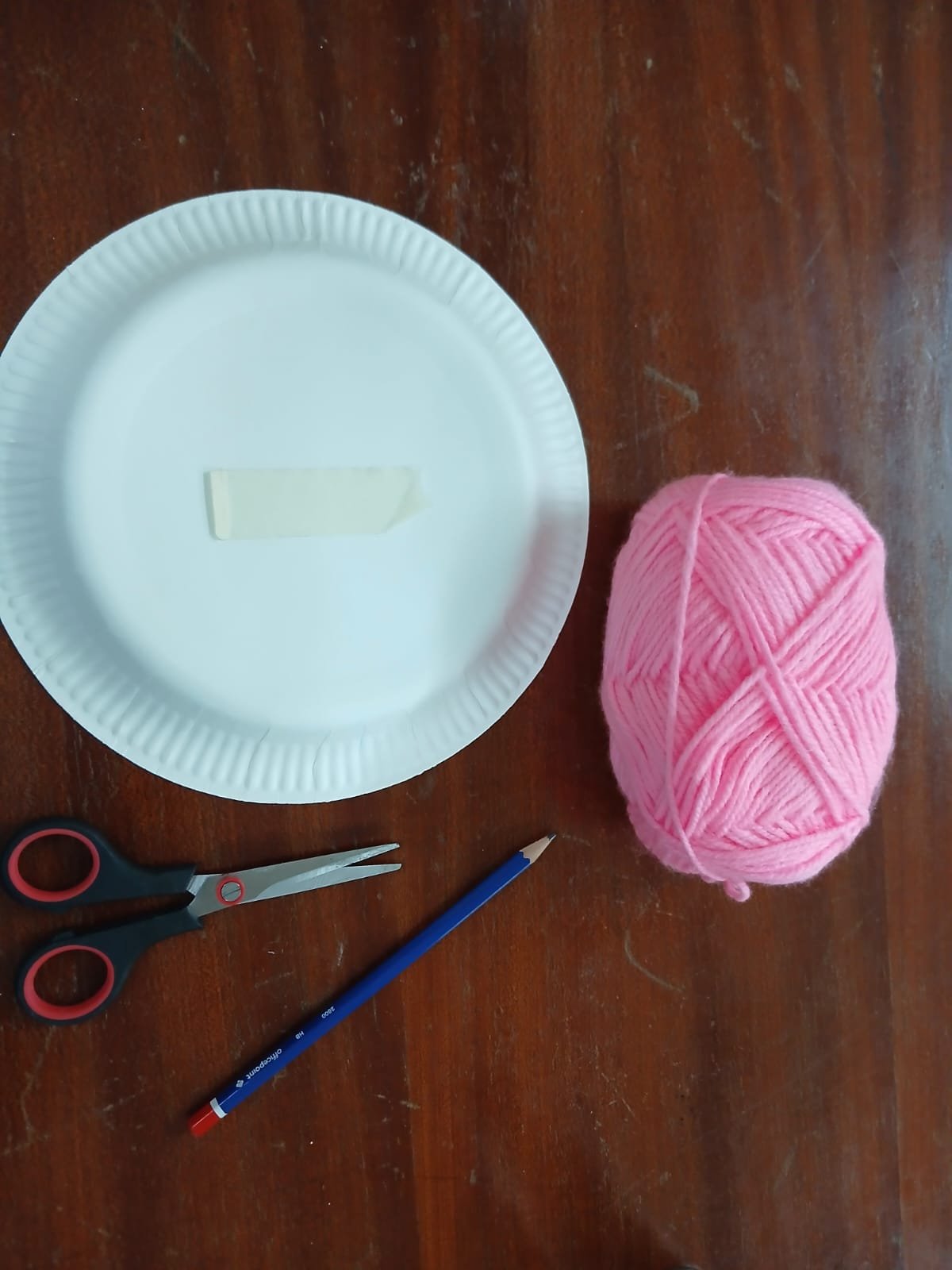
In a world that often prioritizes words, it’s easy to forget that not all healing happens through talking. As a psychotherapist, I’ve worked with many individuals who struggle to articulate what they feel—either because the emotions are too complex, too painful, or simply beyond language. This is where art and craft quietly step in.